
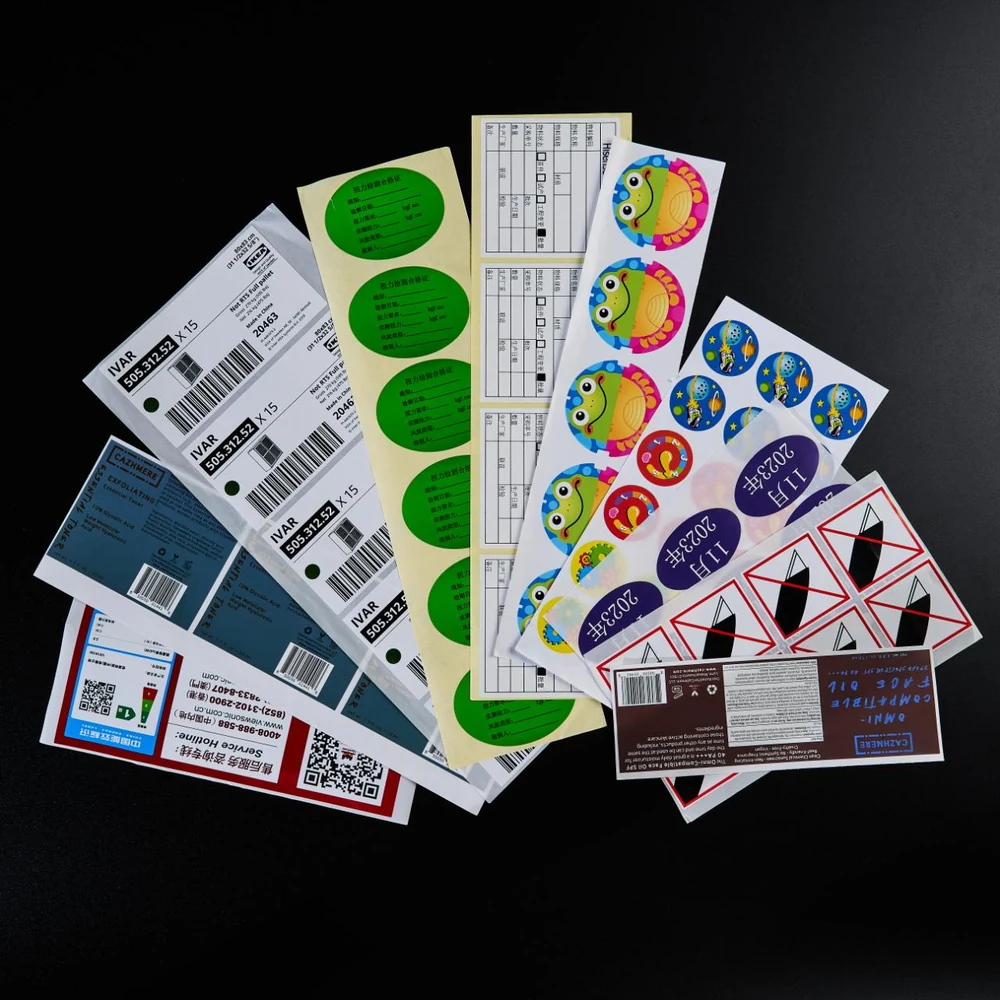
Paper labels
A format for product information and packaging graphics. Define the size, shape and adhesive around the surface where the label will be applied.
LABELS & STICKERS
Lianyi Printing (Thailand), based in Chonburi, assesses projects for product labels, self-adhesive labels, barcode labels and QR code labels. Materials, processes and supply formats are confirmed based on the application surface, dimensions and operating environment.
Start with the appearance you want, then confirm the approach based on the application surface, adhesive, shape and labelling method.
A format for product information and packaging graphics. Define the size, shape and adhesive around the surface where the label will be applied.
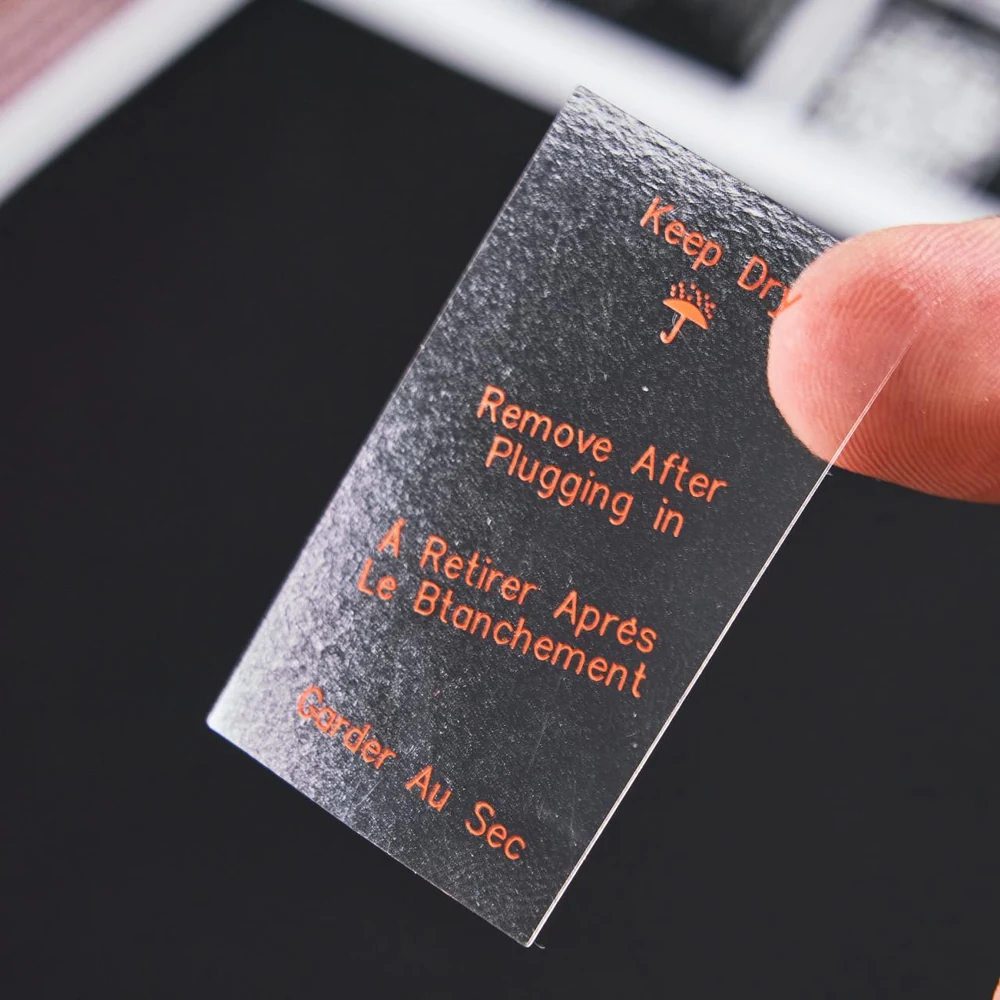
Keep the product surface visible through the label. Review text colour and readability on the actual surface before approving artwork.
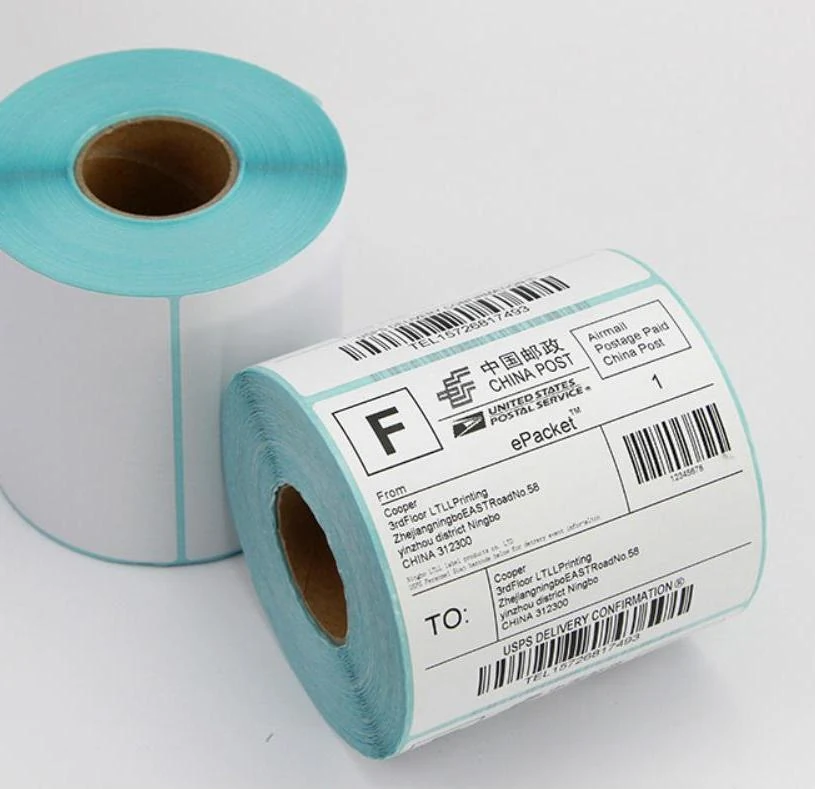
For product identification and reference codes. Assess code size, clear space and roll requirements around the way labels will be used.
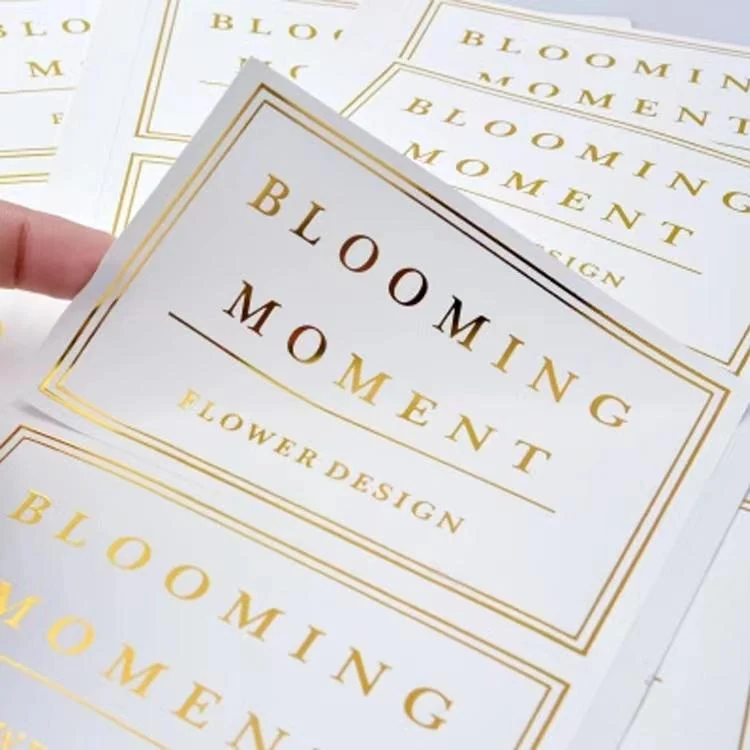
Introduce silver or gold details into the brand presentation. Samples show an appearance; the substrate and finishing method are agreed separately.
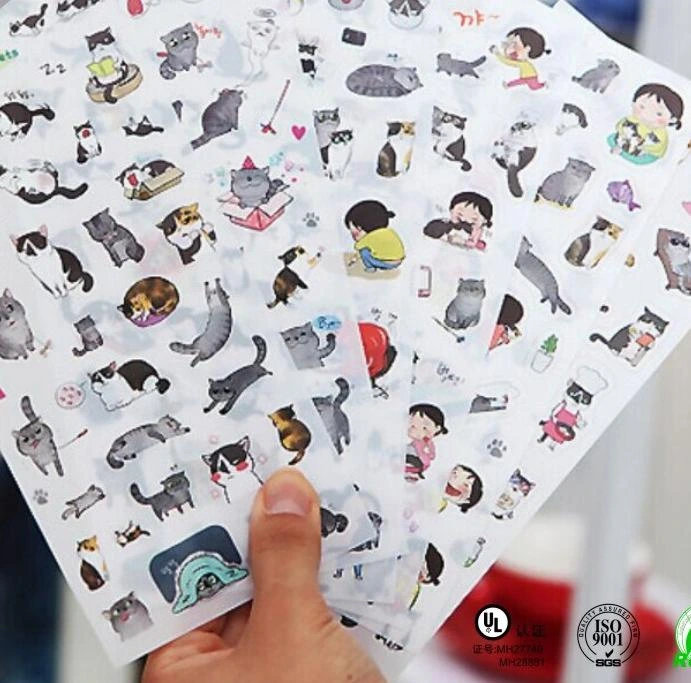
Cut the sticker face to shape while retaining its backing sheet. A format for arranging multiple stickers on a sheet and peeling them off individually.
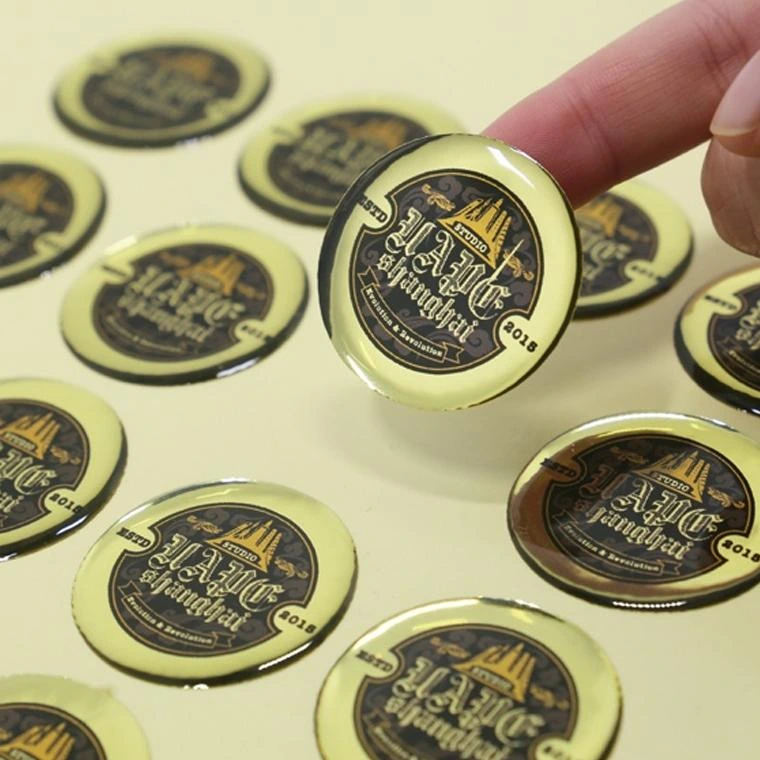
A raised, clear resin finish for brand details. The material, shape and intended operating conditions are assessed before production.
Sample images from the company profile are used to discuss appearance and format. Materials, adhesives, performance and production arrangements are confirmed for the actual application.
From brand presentation to product information, labels need to suit the actual application environment. Share the intended use, application surface and production method so we can assess materials, printing and delivery formats that fit your product and workflow.
The company profile shows paper, transparent, vinyl, silver and gold label samples. The specific face material, adhesive and suitability need to be confirmed against the actual application surface.
Use kiss-cut or epoxy dome samples to discuss handling and the desired appearance, with structure, materials and details agreed before production.
Review code size, contrast and clear space in the artwork, and agree on scan verification before approving production.
Specify dimensions, contours and hand or machine labelling requirements so the die-cutting method, layout and delivery format can be assessed.
Share dimensions, quantity, artwork or a sample, the application surface and operating conditions. For machine application, include roll and label orientation requirements. Materials and the supply format are assessed before quotation.
Suitability depends on the substrate, adhesive, ink, surface and environment. Describe the actual conditions so suitable materials and sample testing can be assessed. Appearance alone does not establish performance.
Minimum order arrangements and lead times depend on size, material, the number of artwork versions, order quantity and the production process. After confirming the project details, the team provides quantity recommendations, sample arrangements and delivery timing.
Prepare your dimensions, quantity and reference images so we can confirm the materials and production details that suit this project together.